

logo
Hot Products Top Products
About Us
ABOUT US
Hunan Jieming Plastics Industrial Co., Ltd.
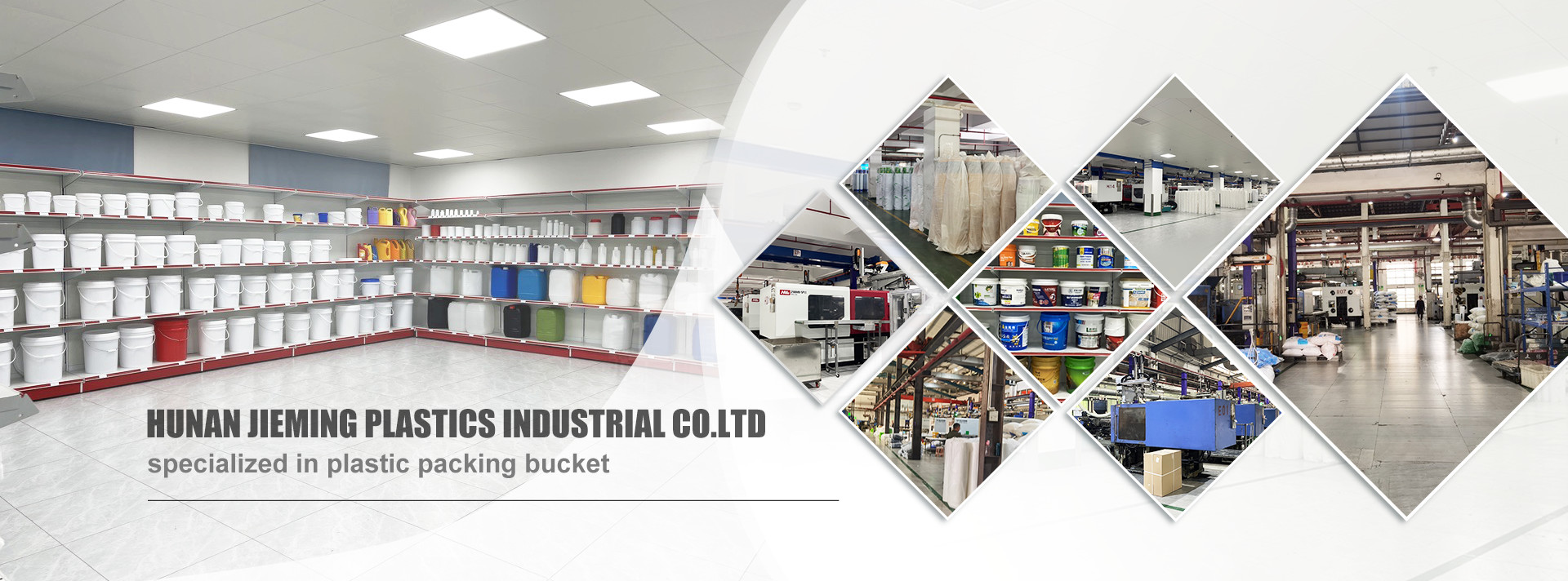
Hunan Jieming Plastics Industry Co.,Ltd was established in 2001. As the biggest plastic packaging products supplier in the middle south of China, we always pursued better services like higher quality, higher effectiveness and better services.Our factory is cover 40,000 square meters, over 300 employees working and living in there, as well as an standard modernized factory for nearly 60,000 square meters and 100 more sets injection molding machines in big, medium and small size, 50 more sets of ...
Read more
Request A Quote
0+
Annualsales
0
Year
0%
P.C
0+
Employees
WE PROVIDE
THE BEST SERVICE!
You can contact us in various ways
Contact Us
Hunan Jieming Plastics Industrial Co., Ltd.

Quality Round Plastic Bucket & 5 Gallon Plastic Buckets Factory

Events
Lastest company news about 8 Food Packaging Design Mistakes Brands Keep Making
8 Food Packaging Design Mistakes Brands Keep Making

2026-01-13

:root { --max: 920px; --pad: 18px; --muted:#666; --border:#e8e8e8; } body { font-family: system-ui, -apple-system, Segoe UI, Roboto, Arial, sans-serif; margin:0; color:#111; line-height:1.65; } header, main, footer { max-width: var(--max); margin: 0 auto; padding: var(--pad); } .breadcrumb { font-size: 14px; color: var(--muted); margin-top: 14px; } .breadcrumb a { color: inherit; text-decoration: none; } h1 { font-size: 34px; line-height:1.2; margin: 10px 0 10px; } .meta { color: var(--muted); font-size: 14px; margin-bottom: 18px; } figure { margin: 18px 0; border: 1px solid var(--border); border-radius: 12px; overflow: hidden; background:#fff; } figure img { width: 100%; height: auto; display:block; } figcaption { padding: 10px 12px; font-size: 13px; color: var(--muted); border-top: 1px solid var(--border); } .toc { border:1px solid var(--border); border-radius: 12px; padding: 14px; background:#fafafa; } .toc h2 { margin: 0 0 8px; font-size: 16px; } .toc ol { margin: 0; padding-left: 18px; } .callout { border-left: 4px solid #111; padding: 10px 14px; background: #f7f7f7; border-radius: 10px; margin: 18px 0; } .checklist { border:1px solid var(--border); border-radius: 12px; padding: 14px; } .checklist ul { margin: 0; padding-left: 18px; } .cta { border:1px solid var(--border); border-radius: 14px; padding: 16px; background:#fff; margin: 22px 0; } .cta strong { display:block; margin-bottom:6px; } a { color:#0b57d0; } hr { border: 0; border-top: 1px solid var(--border); margin: 26px 0; } .faq details { border:1px solid var(--border); border-radius: 12px; padding: 12px 14px; margin: 10px 0; background:#fff; } .faq summary { cursor:pointer; font-weight: 600; } footer { font-size: 14px; color: var(--muted); border-top: 1px solid var(--border); padding-top: 18px; } .tag { display:inline-block; font-size: 12px; padding: 2px 8px; border:1px solid var(--border); border-radius: 999px; margin-right: 6px; color: var(--muted); } { "@context": "https://schema.org", "@type": "Article", "headline": "8 Food Packaging Design Mistakes Brands Keep Making (A 2L Transparent Jam Food Bucket Example)", "description": "Food packaging design isn’t just about looking premium. Sealing, tamper evidence, food-contact compliance, labeling clarity, logistics strength, and user experience decide complaints and repeat orders.", "image": [ "https://www.jmbucket.com/assets/images/2l-transparent-food-bucket-jam-jm.jpg" ], "author": { "@type": "Organization", "name": "JM Bucket" }, "publisher": { "@type": "Organization", "name": "JM Bucket", "logo": { "@type": "ImageObject", "url": "https://www.jmbucket.com/assets/images/logo.png" } }, "mainEntityOfPage": "https://www.jmbucket.com/blog/food-bucket-food-packaging-design-mistakes", "datePublished": "2026-01-13", "dateModified": "2026-01-13", "keywords": [ "food bucket", "food packaging design", "2L plastic food bucket", "tamper evident packaging", "airtight lid", "plastic bucket supplier" ] } { "@context": "https://schema.org", "@type": "FAQPage", "mainEntity": [ { "@type": "Question", "name": "What is the biggest mistake in food packaging design?", "acceptedAnswer": { "@type": "Answer", "text": "Treating packaging as a visual project while ignoring sealing performance and real transport conditions—this causes leaks, damage, and complaints." } }, { "@type": "Question", "name": "Why is tamper-evident packaging important for food products?", "acceptedAnswer": { "@type": "Answer", "text": "Tamper-evident features help buyers see if the container has been opened or altered, improving safety perception and trust—especially in retail and distribution chains." } }, { "@type": "Question", "name": "What should I prepare when exporting food bucket packaging to the EU or the US?", "acceptedAnswer": { "@type": "Answer", "text": "Prepare market-specific food contact documentation, traceability information (often requested in the EU), and verify closure, labeling, and logistics performance for the intended route." } } ] }   8 Food Packaging Design Mistakes Brands Keep Making (A 2L Transparent Jam Food Bucket Example) food bucket food packaging B2B packaging By JM Bucket • Updated: Jan 13, 2026 • Source: www.jmbucket.com Cover image: Two 2L transparent jam plastic food buckets with handles and red airtight lids (example packaging format for jams/sauces/condiments). Quick Navigation Designing packaging like a poster Weak sealing & closure design Skipping tamper-evident features “Food-grade” without proof & market fit Right capacity, wrong use experience Label that looks good—but sells poorly Ignoring logistics reality Sustainability as a slogan Pre-launch checklist JM food bucket solutions FAQ Most brands treat packaging like a “pretty label project.” In real supply chains, packaging is a performance system. If you sell jam, sauces, pickles, condiments, or semi-liquid foods, chances are you’ve considered a 2L transparent plastic food bucket with a handle—like the one shown above. The catch: the most expensive mistakes rarely come from aesthetics. They come from overlooked details like sealing performance, tamper evidence, food-contact compliance, label readability, and logistics strength. Goal of this guide: Help you avoid common pitfalls and build a reliable, export-ready food bucket packaging system—before you scale. Mistake #1: Designing Packaging Like a Poster (Not Like a Protective System) Packaging’s first job isn’t to look premium. It’s to protect the food from contamination, moisture, oxygen exposure, leakage, and transport damage. Typical failure: Great-looking label, but inconsistent lid seal → leaks during stacking or transport. Do this instead: Define performance requirements first: Airtight sealing requirement (short-term vs long-term storage) Leakage tolerance (zero-leak for e-commerce / export) Stack strength / compression needs Open-close frequency (one-time use vs repeated reseal) Mistake #2: Weak Sealing & Closure Design (The #1 Complaint Trigger) For semi-liquids like jam and sauces, sealing matters more than any other feature. Poor closure allows air/moisture to enter and can increase product risk and complaints. Common causes in a 2L food bucket: Inconsistent lid fit across batches Rim deformation under stacking pressure Warm fill + cooling contraction creating micro-gaps Do this instead: Test closure performance under stacking, vibration, and temperature changes Validate repeated open/close cycles if your customers reseal frequently Balance airtight performance with real usability Mistake #3: Skipping Tamper-Evident Features (Retail & Export Risk) If buyers can’t tell whether packaging was opened, you risk trust and brand safety. Tamper-evident features provide visible signs of opening—important for distribution chains. Options often used with food bucket packaging: Tear-off bands Security seals Shrink sleeves or breakable closure systems Do this instead: Decide tamper-evidence early—don’t “add it later” after labels and tooling are finalized. Mistake #4: Assuming “Food-Grade Plastic” Is Enough (Without Proof & Market Fit) “Food-grade” isn’t a universal passport. Importers and buyers often require market-specific documentation and traceability. Do this instead: Request from your supplier: Food contact compliance statements for your target market(s) Traceability info (commonly requested by EU buyers) Material and batch documentation for import audits If you export, this step is non-negotiable—especially for a food bucket used in sauces, jams, pickles, and condiments. Mistake #5: Right Capacity, Wrong Use Experience A 2L plastic food bucket works only if the opening, handling, and re-sealing match real-world usage. Mouth too narrow: slower filling, messier use Handle not ergonomic: painful when full Bucket too flexible: deforms during stacking Do this instead: Turn your use-case into a spec sheet: Filling method (manual / semi-auto / full line) Storage condition (ambient / refrigerated / export temperature swings) User behavior (one-time open vs frequent reseal) Transport type (pallet stacking / container loading / e-commerce) Mistake #6: Label Design That Looks Good—but Sells Poorly In a buyer’s catalog or on a shelf, you typically have seconds to communicate: what it is, variation, net content, and brand. Recommended label hierarchy (great for food bucket formats): Primary: product category + variation + net weight/volume Secondary: compliant claims + storage guidance Compliance zone: batch/date area planned for printing/inkjet/laser Mistake #7: Ignoring Logistics Reality (Stacking, Vibration, Temperature) Many packaging failures don’t appear in the factory—they appear after long truck routes, container vibration, temperature swings, and warehouse stacking. Do this instead: Validate packaging against your real route: stacking height and duration pallet wrapping strategy temperature range handling frequency (warehouse transfers) Logistics isn’t an afterthought—it’s the test your packaging must pass. Mistake #8: Treating Sustainability as a Slogan (Not an Engineering Decision) More buyers ask about recyclability, lightweighting, and shipping efficiency (units per pallet/container). Sustainability only matters if you can quantify it and keep food-contact requirements in mind. Do this instead: Track measurable metrics: grams per bucket (lightweighting) units per pallet / per container damage-rate reduction transport efficiency gains Pre-Launch Checklist (For Designers, Buyers & Factories) Closure seal validated under stacking and temperature changes Tamper-evident strategy confirmed for retail/export routes Market-specific food contact documentation ready (EU/US/other) Label hierarchy readable in 3 seconds Date/batch zone planned for printing/laser/inkjet Transport test: pallet stacking + vibration simulation Re-seal usability tested (if kitchen use) Sustainability metrics documented (not just claimed) JM Food Bucket Solutions If you’re sourcing packaging for jam, sauces, pickles, condiments, or semi-liquid foods, JM provides plastic bucket options across multiple capacities—built for real-world supply chains. Explore food bucket packaging options and specs: www.jmbucket.com Recommended internal links (to boost SEO): food bucket with airtight lid 2L plastic food bucket tamper-evident bucket packaging food-grade plastic bucket supplier custom label & printing for buckets Share your target market (EU/US/Middle East), filling method, and whether you need tamper-evidence, and we’ll recommend the best bucket + lid structure for your application. FAQ What is the biggest mistake in food packaging design? Treating packaging as a visual project while ignoring sealing performance and real transport conditions—this causes leaks, damage, and complaints. Why is tamper-evident packaging important for food products? Tamper-evident features help buyers see if the container has been opened or altered, improving safety perception and trust—especially in retail and distribution chains. What should I prepare when exporting food bucket packaging to the EU or the US? Prepare market-specific food contact documentation, traceability information (often requested in the EU), and verify closure, labeling, and logistics performance for the intended route.       © JM Bucket. All rights reserved. Visit: www.jmbucket.com document.getElementById("y").textContent = new Date().getFullYear();      
View More
Lastest company news about Full Container Load Plastic Buckets: How Bulk Purchasing Cuts Costs and Improves Logistics Efficiency
Full Container Load Plastic Buckets: How Bulk Purchasing Cuts Costs and Improves Logistics Efficiency

2026-01-09

Full Container Load Plastic Buckets: How Bulk Purchasing Cuts Costs and Improves Logistics Efficiency In international trade, cost control and logistics efficiency often determine whether a deal is profitable. For plastic bucket importers, choosing Full Container Load (FCL) shipping instead of smaller LCL shipments can make a significant difference in landed cost, delivery stability, and supply chain performance. This article explains why bulk purchasing plastic buckets in full containers delivers greater value — and how experienced exporters help buyers maximize every container shipped. 1. Why Full Container Load (FCL) Matters in Plastic Bucket Imports Shipping a full container is one of the most effective ways to reduce unit costs in plastic packaging procurement. Compared with Less than Container Load (LCL) shipments, FCL offers: Lower cost per unit due to shared freight costs across larger volumes More stable ocean freight rates Reduced handling and transshipment risks Faster customs clearance at destination ports For high-volume products like plastic buckets, pails, and industrial containers, FCL shipping is often the most economical and reliable solution. 2. Bulk Purchasing = Better Cost Efficiency Buying plastic buckets in bulk is not just about quantity — it’s about strategic cost optimization. When orders reach full-container volume, buyers benefit from: Lower manufacturing cost per unit Optimized container loading plans Reduced damage risk during transit Better inventory planning and replenishment cycles Bulk purchasing also allows exporters to adjust production schedules and packaging methods to better suit destination market requirements. 3. Optimized Container Loading Protects Goods and Saves Money An experienced plastic bucket exporter understands that how a container is loaded matters just as much as what goes into it. Professional container optimization includes: Efficient nesting and stacking of buckets Reinforced pallets for long-distance transport Customized packing methods based on bucket size and weight Compliance with port handling and warehouse unloading practices Proper container loading minimizes movement during transit, reduces breakage, and improves handling efficiency at destination ports. 4. Customized Packaging Solutions for Different Markets Every market has different expectations for packaging, labeling, and logistics handling. Reliable exporters go beyond production by offering tailor-made packaging solutions, such as: OEM packaging Logo printing on buckets or cartons Market-specific labeling and language requirements Reinforced pallets for forklift handling Special packing for retail or industrial distribution These customized solutions help importers reduce repacking costs and speed up distribution after arrival. 5. Experience Makes the Difference in Global Export Logistics Frequent shipments and long-term export experience translate into smoother logistics execution. With regular container shipments worldwide, experienced suppliers can: Anticipate port and customs requirements Adjust packing to reduce freight risks Support buyers with documentation and export compliance Maintain consistent quality across repeated shipments This level of expertise helps buyers focus on sales and distribution while keeping logistics predictable and cost-efficient. Conclusion: Load Smarter, Ship Better For plastic bucket importers, full container load shipping combined with bulk purchasing is a proven way to reduce costs, improve logistics control, and protect goods during international transport. Choosing a supplier who understands not only production, but also packaging optimization and global shipping requirements, makes every container more valuable. If you are looking for a plastic bucket supplier who delivers cost efficiency, customized packaging, and reliable export logistics, it may be time to load your next container the smart way.
View More
Lastest company news about Ice Cream Plastic Bucket Packaging: Design Principles & Practical Methods
Ice Cream Plastic Bucket Packaging: Design Principles & Practical Methods

2026-01-09

Introduction In the ice cream industry, packaging is far more than a container—it is a critical factor affecting product safety, brand perception, logistics efficiency, and customer experience. Among various packaging formats, plastic buckets are widely used for bulk ice cream, foodservice supply, and industrial distribution. This article explores the key design principles and practical methods for ice cream plastic bucket packaging, helping manufacturers and brands choose packaging that is safe, functional, and market-ready. 1. Food Safety Comes First Use Certified Food-Grade Materials Ice cream packaging must comply with international food contact regulations, such as: FDA (US) EU Food Contact Regulations LFGB (EU market) Recommended materials: HDPE (High-Density Polyethylene) – excellent low-temperature resistance PP (Polypropylene) – good rigidity and chemical stability Food-grade plastic buckets prevent odor transfer, chemical migration, and contamination during storage. Low-Temperature Resistance Ice cream is stored and transported at –18°C or below. A well-designed plastic bucket must: Maintain structural integrity in freezing conditions Avoid cracking or brittleness Ensure lid sealing performance at low temperatures ​ 2. Structural Design for Storage & Transportation Reinforced Bucket Body Ice cream buckets are often stacked in cold storage warehouses. Design considerations include: Reinforced sidewalls Uniform wall thickness Anti-deformation rib structures This ensures safe vertical stacking without collapse or deformation. Secure Lid & Sealing Design A high-quality ice cream plastic bucket should feature: Tight-fitting snap-on lids Leak-proof sealing rings (optional) Tamper-evident design for food safety assurance These features help prevent contamination and freezer burn during long-term storage.   3. Capacity & Ergonomic Design Common Capacities for Ice Cream Buckets Typical sizes include: 3L / 5L – retail or small foodservice use 10L / 20L – bulk ice cream & catering supply Choosing the right capacity helps optimize: Portion control Storage efficiency Transportation costs Easy Handling Design Ergonomic elements improve usability: Rounded edges to avoid hand injury Optional plastic or metal handles Non-slip bucket base These details are especially important for foodservice and industrial users. 4. Branding & Visual Design Custom Colors & Logo Printing Ice cream packaging plays a key role in brand recognition. Plastic buckets can be customized with: Brand colors Screen printing or IML (In-Mold Labeling) Clear product information and compliance markings A well-designed bucket enhances shelf appeal and brand consistency, even in cold storage environments. Clear Label Information Essential labeling includes: Product name Ingredients and allergens Storage temperature Batch and traceability information This supports regulatory compliance and consumer trust. 5. Sustainability & Environmental Considerations Sustainability is increasingly important in food packaging design. Recyclable Materials Modern ice cream plastic buckets are commonly made from: 100% recyclable HDPE or PP Some manufacturers also offer: Reduced material weight designs Reusable bucket solutions for foodservice clients Optimized Packaging Efficiency Smart design reduces: Material waste Transportation volume Carbon footprint per unit 6. Customization & OEM Design Process A professional plastic bucket manufacturer should support: Custom mold development Size and thickness optimization Lid compatibility testing Branding and packaging integration Early involvement in the design process helps brands achieve cost-effective, compliant, and scalable packaging solutions. Conclusion Designing effective ice cream plastic bucket packaging requires balancing food safety, functionality, branding, and sustainability. By selecting food-grade materials, optimizing structural design, and aligning packaging with brand identity, ice cream manufacturers can ensure product integrity while enhancing market competitiveness. Choosing the right plastic bucket packaging is not just a technical decision—it is a strategic investment in product quality and brand trust.
View More
Lastest company news about Disposable Food Containers: A Complete Guide for Foodservice & Takeout Businesses
Disposable Food Containers: A Complete Guide for Foodservice & Takeout Businesses

2025-12-18

Disposable Food Containers: A Complete Guide for Foodservice & Takeout Businesse Disposable food containers play a critical role in modern foodservice operations. From restaurant takeout and food delivery to catering and meal prep, choosing the right disposable food container directly impacts food safety, customer experience, and operational efficiency. This guide explains the most important factors to consider when selecting disposable food containers for professional use—with a focus on PP plastic containers, the most widely used solution in the U.S. and European markets. What Are Disposable Food Containers? Disposable food containers are single-use packaging solutions designed for storing, transporting, and serving food. They are commonly used by: Restaurants and fast-food chains Takeout and delivery services Catering companies Supermarkets and delis Meal prep and cloud kitchens Among different materials, polypropylene (PP) containers are preferred due to their durability, heat resistance, and food safety compliance.   Why PP Disposable Food Containers Are Widely Used PP (Polypropylene) food containers offer an ideal balance between performance and cost. They are especially suitable for hot food, soups, and delivery-focused operations. Key Advantages of PP Containers Food grade & BPA-free Microwave safe for reheating Leak-proof when paired with snap lock lids Resistant to cracking and deformation Lightweight and stackable for logistics Common Types of Disposable Food Containers Container Type Typical Use Key Features Round PP Containers Soups, rice, noodles Leak-proof, heat resistant Rectangular Containers Meal prep, combo meals Space-efficient, stackable Hinged Lid Containers Fast food, salads One-piece design Soup Containers with Lids Liquids & hot food Tight seal, spill prevention   ​ Key Specifications to Consider When sourcing disposable food containers for wholesale or bulk supply, buyers should evaluate the following parameters carefully: Material PP (Polypropylene): Best for hot food & microwave use PET: Better clarity, not suitable for high heat Capacity Common sizes for takeout containers include: 16oz / 24oz / 32oz 500ml / 750ml / 1000ml Temperature Resistance High-quality PP containers typically withstand: -20°C to 120°C (-4°F to 248°F) Disposable Food Containers Specification Table Parameter Description Material Food Grade PP (Polypropylene) Shape Round / Rectangular Lid Type Snap lock lid Capacity Range 16oz–32oz / 500ml–1000ml Color Options White container, colored lids Microwave Safe Yes Usage Single-use / Disposable Compliance FDA & EU food contact standards Applications in Foodservice & Delivery Disposable PP food containers are commonly used for: Restaurant takeout and to-go orders Food delivery platforms Catering and event services Meal prep and ready-to-eat meals Supermarkets and food retail Their leak-proof design helps ensure food arrives intact, improving customer satisfaction and reducing complaints. Customization Options for B2B Buyers For brands and distributors, customization is a major advantage: Custom container sizes Lid color selection Logo printing or private labeling Bulk packaging for wholesale distribution Working directly with a disposable food container manufacturer allows buyers to control cost, quality, and lead time. How to Choose the Right Disposable Food Container Supplier When selecting a supplier, professional buyers should look for: Stable production capacity Consistent quality control Export experience to the U.S. & Europe Compliance with food safety regulations OEM & ODM support
View More
Latest company case about From Production to Shipment: The Complete Journey of a Waterproof 5-Gallon Plastic Bucket for Coating Storage
From Production to Shipment: The Complete Journey of a Waterproof 5-Gallon Plastic Bucket for Coating Storage

2025-05-27

In the world of industrial packaging, precision and reliability are paramount. When a client selected our 5-gallon plastic bucket as the container for their waterproof coating, demanding a leak-proof design and custom printing, we embarked on a meticulous production journey to deliver a flawless product. This article unveils the entire process, from raw material selection to final shipment, showcasing our commitment to quality and customization. Raw Material Selection: The Foundation of Durability The production of our waterproof plastic bucket begins with the careful selection of high-density polyethylene (HDPE) resin. Renowned for its exceptional chemical resistance, impact strength, and durability, HDPE is the ideal material for storing aggressive substances like waterproof coatings. Our raw materials are sourced from certified suppliers, ensuring compliance with international quality standards and providing a solid foundation for a long-lasting product. Injection Molding: Shaping Precision and Consistency Once the raw materials are approved, the HDPE resin is fed into an injection molding machine. This state-of-the-art equipment melts the resin and injects it into a pre-designed mold under high pressure, forming the bucket's precise shape. Advanced molding technology ensures consistent wall thickness, reinforcing the bucket's structural integrity and waterproof capabilities. Every mold is carefully calibrated to meet the client's specifications, guaranteeing uniformity across the production batch. Leak-Proof Design: Engineered for Reliability To address the client's stringent leak-proof requirement, our 5-gallon bucket features a meticulously engineered lid system. The lid is designed with a deep, threaded rim that creates a tight seal when fastened to the bucket. A specialized gasket, made from high-quality rubber, is embedded within the lid, providing an additional layer of protection against leaks. Rigorous testing procedures, including pressure and immersion tests, are conducted on every lid-bucket assembly to ensure absolute water resistance, safeguarding the valuable contents during storage and transportation. Custom Printing: Branding with Precision Customization is key to meeting our client's needs. Using advanced screen printing or digital printing technology, we transfer the client's logo, product information, and regulatory labels onto the bucket's surface. Our printing process employs UV-resistant inks that adhere firmly to the HDPE material, ensuring vibrant, long-lasting graphics that withstand harsh environmental conditions. Before mass production, a sample is provided for client approval, guaranteeing that the final printed design aligns perfectly with their branding vision. Quality Control: Ensuring Excellence at Every Step Quality control is integrated into every phase of production. From raw material inspection to final assembly, each bucket undergoes a series of rigorous checks. Visual inspections identify any surface defects, while dimensional measurements ensure compliance with the specified size and shape. In addition to leak tests, we conduct load-bearing tests to verify the bucket's strength and durability under heavy loads. Only products that pass all quality control criteria are approved for packaging and shipment, maintaining our reputation for delivering top-notch products. Packaging and Shipment: Protecting the Product and the Planet Before shipment, each 5-gallon plastic bucket is carefully packaged to prevent damage during transit. Buckets are nested to save space and secured with protective materials, such as bubble wrap or cardboard inserts. For large orders, they are palletized and shrink-wrapped for stability. We prioritize sustainable packaging solutions, using recyclable materials whenever possible. Our logistics team coordinates with trusted shipping partners to ensure timely and safe delivery, tracking each shipment to provide clients with real-time updates. Conclusion: Delivering on Our Promise The production and delivery of our waterproof 5-gallon plastic bucket for waterproof coating storage exemplify our dedication to quality, customization, and customer satisfaction. By combining advanced manufacturing techniques, stringent quality control, and a commitment to sustainability, we not only meet but exceed our clients' expectations. Whether it's for industrial storage, consumer products, or specialized applications, our plastic buckets are engineered to perform, providing reliable packaging solutions that stand the test of time. If you're in search of high-quality, customized plastic packaging solutions, contact us today. Our team of experts is ready to assist you in finding the perfect packaging solution tailored to your unique requirements.  
View More
Latest company case about Pros and Cons of Different 18L Plastic Bucket Materials
Pros and Cons of Different 18L Plastic Bucket Materials

2025-06-19

When I choose an 18L plastic bucket, I look at how I plan to use it, where I will store it, and my budget. Each material—HDPE, polypropylene, polycarbonate, or PVC—offers different strengths. For example, HDPE buckets lead the market because they resist chemicals, moisture, and UV rays. Aspect HDPE Buckets Polypropylene Buckets Polycarbonate Buckets PVC Buckets Market Dominance Yes No N/A N/A UV Resistance Yes Not detailed N/A N/A Key Takeaways Choose your 18L plastic bucket based on what you will store, where you will use it, and your budget to get the best fit for your needs. HDPE and polypropylene buckets are safe for food and everyday use, with HDPE also great for outdoor and chemical tasks, while polycarbonate suits heavy-duty and high-heat jobs, and PVC works well for acids and wet environments. Consider durability, heat resistance, and cost: HDPE lasts long and resists UV rays, polypropylene is lightweight and affordable, polycarbonate is very strong but costly, and PVC is sturdy but less food-safe and harder to recycle. 18L Plastic Bucket: Polyethylene (HDPE) Pros When I pick an 18L plastic bucket made from HDPE, I know I am choosing a strong and reliable material. HDPE stands out because it has a high strength-to-density ratio. This means the bucket feels light but can hold heavy items without breaking. I have used HDPE buckets to store cleaning chemicals and food, and they always keep their shape. HDPE resists many chemicals, including acids and bases. I read about a study where HDPE buckets stayed strong even after soaking in lemon juice, orange juice, and bleach for three days. The buckets did not lose their strength or become brittle. I also like that HDPE buckets handle rough treatment. If I drop one, it does not crack easily. HDPE buckets work well outdoors. They resist sunlight and bad weather, so I can leave them outside without worrying about damage. Many people use HDPE buckets for food storage because the material is safe and does not react with most foods. Tip: If you need a bucket for harsh chemicals or outdoor use, HDPE is a smart choice. Cons Even though I trust HDPE buckets for many jobs, they do have some limits. HDPE does not handle high heat well. If I put an HDPE bucket in a very hot place or try to use it for boiling water, it can warp or melt. I also learned that HDPE buckets are not good for autoclaving, which means I cannot use them to sterilize items at high temperatures. Sometimes, HDPE buckets come with added pigments for color. These pigments can make the bucket less durable over time, especially if I use it with strong chemicals. I try to choose plain HDPE buckets when I need the best strength. Polypropylene Buckets Pros When I use a polypropylene bucket, I notice it feels lighter than other types. Polypropylene buckets often cost less, so I can buy more for the same price. I like that these buckets resist many chemicals, especially oils and solvents. This makes them useful in garages and workshops. Polypropylene does not absorb water, so the bucket stays dry and clean after washing. I find that polypropylene buckets keep their shape well, even if I stack them. They do not crack easily when I drop them. Polypropylene buckets work well for storing food. The material is safe for most foods and does not give off any smell or taste. I can use a polypropylene 18L plastic bucket for mixing paint, holding garden tools, or carrying laundry. Polypropylene buckets handle moderate heat better than HDPE. I sometimes use them for warm water without any problem. Note: If you need a lightweight and affordable bucket for everyday tasks, polypropylene is a good choice. Cons I have learned that polypropylene buckets do not handle sunlight well. If I leave one outside, it can become brittle and crack over time. Polypropylene is not as strong as HDPE, so I avoid using it for very heavy loads. The material can warp if I put it near high heat or open flames. Sometimes, polypropylene buckets stain if I use them with strong dyes or chemicals. I also notice that they can become slippery when wet, so I handle them with care. Polycarbonate Buckets Pros When I use a polycarbonate bucket, I notice how tough and reliable it feels. Polycarbonate buckets stand out because they can handle a lot of stress without breaking. I have read that polycarbonate has a high tensile strength, reaching up to 9500 psi. This means the bucket can hold heavy items and resist impacts if I drop it. I once used a polycarbonate 18L plastic bucket to carry rocks for my garden, and it did not crack or bend. Polycarbonate buckets resist extreme temperatures. I can use them for hot or cold items without worrying about damage. The material stays strong even at temperatures up to 270°C for long periods. For short bursts, it can handle even higher heat. I like that polycarbonate buckets do not absorb water. They stay dry and clean, even in humid weather. These buckets also work well for electrical uses because they have high dielectric strength. I sometimes use them to store cords and small tools in my workshop. Note: Polycarbonate buckets have passed tests that show they can handle heavy loads and pressure. In experiments, increasing the depth of the bucket in the ground made it even stronger, showing how reliable this material is for tough jobs. Cons Even though polycarbonate buckets are strong, I have noticed some downsides. Polycarbonate costs more than other plastics, so I pay a higher price for these buckets. Sometimes, the material can scratch easily. If I drag the bucket on rough ground, it may get marks or scuffs. Polycarbonate can also become cloudy or yellow if I leave it in the sun for a long time. I avoid using these buckets for food storage because some types of polycarbonate may contain BPA, which is not safe for food. The buckets feel heavier than polypropylene or HDPE, so carrying them for long distances can be tiring. Polycarbonate buckets may not be as easy to recycle as other plastics. If I need a lightweight or low-cost option, I usually pick a different material. PVC Buckets Pros When I use a PVC bucket, I notice it feels strong and sturdy. PVC, or polyvinyl chloride, has a high tensile strength. This means the bucket can hold heavy items without breaking. I often choose a PVC 18L plastic bucket when I need to store acids or cleaning solutions. PVC resists many chemicals, especially acids and bases. I find this helpful in my garage and for cleaning tasks. PVC buckets can last a long time if I keep them away from direct sunlight. The material does not rust or corrode, so I can use it in wet places. Sometimes, I see flexible PVC buckets that bend a little without snapping. These buckets work well for carrying water or mixing materials. Here is a table that compares PVC buckets to polypropylene buckets: Attribute PVC Buckets Polypropylene Buckets Chemical Resistance Excellent, especially to acids and bases Excellent, broad spectrum Mechanical Strength High tensile strength, more rigid Moderate strength, more flexible Water Absorption Higher (0.04%-1.00%) Very low (~0.01%) Cost-effectiveness Slightly higher cost, durable in some uses Cheaper, more sustainable Tip: If you need a bucket for strong chemicals or wet environments, PVC can be a good choice. Cons I have noticed some problems with PVC buckets. If I leave a PVC bucket outside in the sun, it can become brittle and crack. PVC does not handle impacts well. When I drop a PVC bucket, it may break more easily than other plastics. The material also absorbs more water, which can make it less stable in very wet places. PVC buckets cost a bit more than some other types. The production of PVC can harm the environment because it releases chlorine-based chemicals. Recycling PVC is harder and more expensive than recycling other plastics. I try to avoid using PVC buckets for food storage because of the additives in the material. PVC buckets feel less flexible than polypropylene buckets. When I need a bucket that bends without breaking, I pick another material. For most outdoor or heavy-duty jobs, I use a different 18L plastic bucket. 18L Plastic Bucket: Comparison When I compare different materials for an 18L plastic bucket, I look at several important factors. Each material has its own strengths and weaknesses. I created a table to help you see the main differences at a glance. Feature HDPE (Polyethylene) Polypropylene Polycarbonate PVC Chemical Resistance Excellent Excellent Good Excellent (acids/bases) Food Safety High High Low (possible BPA) Low Durability Very durable, impact-resistant Durable, flexible Extremely strong, impact-resistant Rigid, can be brittle Heat Resistance Low Moderate Very high Low UV Resistance High Low Moderate Low Cost Moderate Low High Moderate Recyclability Good Good Limited Difficult Typical Uses Food storage, chemicals, outdoor Household, food, light chemicals Industrial, high-stress, electrical Cleaning, acids, wet areas I find that HDPE buckets work best for outdoor use and chemical storage. They resist sunlight and most chemicals. Polypropylene buckets feel lighter and cost less. I use them for everyday tasks like laundry or storing food. Polycarbonate buckets offer the most strength. I choose them when I need a bucket that can handle heavy loads or high temperatures. PVC buckets resist acids and bases, so I use them for cleaning solutions or in wet places. Tip: If you want a bucket for food storage, HDPE and polypropylene are the safest choices. Polycarbonate may contain BPA, and PVC often has additives that are not food-safe. Chemical Resistance I notice that HDPE, polypropylene, and PVC all resist chemicals well. Polycarbonate handles most chemicals but does not match the others for acid or base resistance. Food Safety I always check if a bucket is food-safe. HDPE and polypropylene usually meet food safety standards. Polycarbonate sometimes contains BPA, which I avoid for food. PVC buckets rarely meet food safety standards because of their additives. Durability and Heat Resistance Polycarbonate buckets stand up to the most stress and heat. I use them for tough jobs. HDPE buckets resist impacts and last a long time, but they melt at lower temperatures. Polypropylene buckets bend without breaking, which helps when I need flexibility. PVC buckets feel rigid but can crack if dropped. Cost and Recyclability Polypropylene buckets cost the least. HDPE buckets cost a bit more but last longer. Polycarbonate buckets cost the most. I learned from a Danish EPA study that both polyethylene and polypropylene have lower environmental impacts than other plastics. These materials recycle well and do not harm the environment much when used properly. PVC and polycarbonate buckets are harder to recycle and may cause more environmental problems. Typical Uses HDPE: I use these buckets for food, chemicals, and outdoor storage. Polypropylene: I pick these for household chores, food, and light chemicals. Polycarbonate: I choose these for heavy-duty, high-temperature, or industrial tasks. PVC: I use these for cleaning, acids, and wet environments. Note: When I select an 18L plastic bucket, I match the material to my needs. I think about what I will store, where I will use the bucket, and how much I want to spend. Choosing the Right Material When I pick the right 18L plastic bucket, I always start by thinking about what I need it for. I ask myself three questions: What will I put in the bucket? Where will I use it? How much do I want to spend? These questions help me narrow down my choices. Experts use a step-by-step method to choose the best material. They look at what customers want, compare different materials, and check how each one affects the environment and the wallet. They use tools like the Kano model to see which features matter most, Ashby diagrams to compare materials, and life cycle assessments to check for environmental impact. They also use decision-making tools to rank the options. I find this approach helpful because it balances what I need, how much I can spend, and how the bucket will affect the world around me. Here is how I decide: Intended Use If I need a bucket for food storage, I pick HDPE or polypropylene. These materials are safe for food and do not change the taste or smell. For strong chemicals or cleaning solutions, I choose HDPE or PVC. Both resist acids and bases well. If I need a bucket for heavy-duty jobs or high heat, I go with polycarbonate. It handles stress and heat better than the others. Environment For outdoor use, I trust HDPE. It stands up to sunlight and bad weather. If I keep the bucket inside, polypropylene works well. It does not need to resist UV rays. In wet places, I sometimes use PVC, but I make sure it will not sit in the sun. Budget Polypropylene buckets cost the least. I buy these when I need many buckets for simple jobs. HDPE buckets cost a bit more but last longer, so I see them as a good investment. Polycarbonate buckets cost the most. I only buy them when I need extra strength or heat resistance. PVC buckets fall in the middle. I use them for special jobs, not everyday tasks. Tip: I always match the bucket to my main need. If I want a bucket for food, I never pick PVC or polycarbonate. If I need to save money, I choose polypropylene. For outdoor or chemical use, HDPE is my top pick. Here is a quick table to help you decide: Need/Condition Best Material Why? Food storage HDPE, Polypropylene Safe, no taste or smell Chemical resistance HDPE, PVC Resist acids and bases Outdoor use HDPE UV and weather resistant High heat Polycarbonate Handles high temperatures Low cost Polypropylene Cheapest option Wet environments PVC Does not rust or corrode
View More
Latest company case about Heat Transfer vs. In - Mold Labeling: Decoding the Printing Disparities on Plastic Buckets
Heat Transfer vs. In - Mold Labeling: Decoding the Printing Disparities on Plastic Buckets

2025-06-21

In the world of plastic bucket manufacturing, choosing the right printing method can significantly impact the product's appearance, durability, and cost. Heat transfer and in - mold labeling (IML) are two popular techniques, each with its own set of characteristics. Let's explore how they differ in terms of the final printing effects on plastic buckets.   Heat Transfer Printing on Plastic Buckets Heat transfer printing has gained popularity for its ability to produce detailed and vibrant prints on plastic buckets. The process begins with creating a film with the desired design using specialized printing methods. This film is then placed on the plastic bucket, and through the application of heat and pressure, the ink on the film is transferred onto the bucket's surface.   Design Flexibility and Detail One of the major advantages of heat transfer is its design flexibility. It can reproduce complex graphics, gradients, and even photographic images with high precision. Whether it's a detailed logo, a colorful brand image, or an intricate pattern, heat transfer can bring it to life on the plastic bucket. For example, in the food and beverage industry, where eye - catching packaging is crucial, heat transfer allows for the creation of appealing designs that stand out on store shelves.   Color Vividness Heat transfer printing offers excellent color vividness. The inks used are formulated to provide bright and intense colors, making the printed designs on the plastic bucket visually appealing. This is particularly important for industries where brand recognition through color is essential, such as the paint and consumer goods sectors. The colors remain true and vibrant, even after exposure to normal lighting conditions over time.   Durability Considerations However, when it comes to durability, heat transfer has its limitations. Although the inks used have a certain level of adhesion, with continuous handling, abrasion, or exposure to harsh environmental conditions, the printed layer may start to fade, crack, or peel. For instance, in industrial settings where plastic buckets are frequently moved, stacked, or come into contact with rough surfaces, the heat - transferred print may not maintain its pristine appearance for an extended period. Additionally, heat transfer usually results in a printed area that may not cover the entire bucket uniformly. There are often some areas at the top and bottom of the bucket that are left unprinted or have a less - than - perfect finish, which can affect the overall aesthetic for some applications.   In - Mold Labeling (IML) on Plastic Buckets In - mold labeling is a more advanced and integrated printing process for plastic buckets. In this method, a pre - printed label made of plastic film is placed inside the mold before the plastic material is injected to form the bucket. As the plastic melts and takes shape, the label fuses with the bucket's surface, becoming an integral part of it.   Seamless and Durable Finish The most notable feature of IML is the seamless and highly durable finish it provides. Since the label becomes part of the bucket during the molding process, there is no risk of the label peeling off, even under extreme conditions. The fused label is highly resistant to scratches, chemicals, and fading. This makes IML - printed plastic buckets ideal for industries such as chemicals, where the containers need to withstand harsh substances, and for long - term storage applications. For example, a chemical storage bucket with an IML - printed label can maintain its legible product information and branding over years of use.   Full - Coverage and Aesthetic Appeal IML allows for full - coverage printing, meaning the entire surface of the plastic bucket can be adorned with a design. There are no gaps or unprinted areas, creating a sleek and professional look. The labels can be designed to fit the exact shape of the bucket, providing a smooth and continuous appearance. This is especially beneficial for products where a high - end aesthetic is desired, such as premium food products or luxury goods packaging. The labels can also be designed with special effects like matte or glossy finishes, further enhancing the visual appeal.   High - Definition Printing IML technology enables high - definition printing, with the ability to reproduce fine details, small text, and complex graphics clearly. Barcodes, intricate product information, and detailed brand logos can be printed with precision, ensuring that all necessary information is presented accurately and attractively. This is crucial in industries where product traceability and clear communication of information are essential, such as the pharmaceutical and logistics sectors.   Cost and Production Considerations When comparing the two methods, cost is an important factor. Heat transfer printing generally has a lower initial setup cost, making it more suitable for small - to - medium production runs or for companies with limited budgets. However, for large - scale production, in - mold labeling can be more cost - effective in the long run despite its higher initial investment. IML reduces the need for additional post - production labeling steps, which can save time and labor costs over time.   In conclusion, heat transfer printing offers great design flexibility and color vividness but may lack in long - term durability and full - coverage capabilities. On the other hand, in - mold labeling provides a seamless, durable, and high - quality finish with full - coverage printing, but comes with a higher initial investment. The choice between the two depends on the specific requirements of the plastic bucket, including its intended use, the desired aesthetic, production volume, and budget constraints.
View More

Hunan Jieming Plastics Industrial Co., Ltd.
MARKET DISTRIBUTION
map map 30% 40% 22% 8%
map
map
map
WHAT CUSTOMERS SAYS
Feilu New Material
These plastic buckets are just what I needed for storing my gardening tools and supplies. They're sturdy and spacious, and the bright color makes it easy to spot them in my shed
Ahmed Hassan (Egypt)
I'm really impressed with the quality of these plastic buckets. They're thicker and more durable than I expected, and the lids snap on securely to keep my food items fresh
Maria Rodriguez (Mexico)
These plastic buckets are perfect for my small business. They're easy to stack and transport, and the clear plastic makes it easy to see what's inside.
Fatima Ali (Pakistan)
These plastic buckets are a great value for the price. They're functional and well-made, and the fact that they're made from recycled materials is a bonus.
Luca Rossi (Italy)
I appreciate that these plastic buckets are BPA-free and food-safe. I feel confident using them to store my bulk food items without worrying about any harmful chemicals leaching into my food.
CONTACT US AT ANY TIME!